
The Salt Water Test
Two hundred tiny pockets in one head of broccoli. Here is the test, properly — how long, how much salt, and what it does not catch.
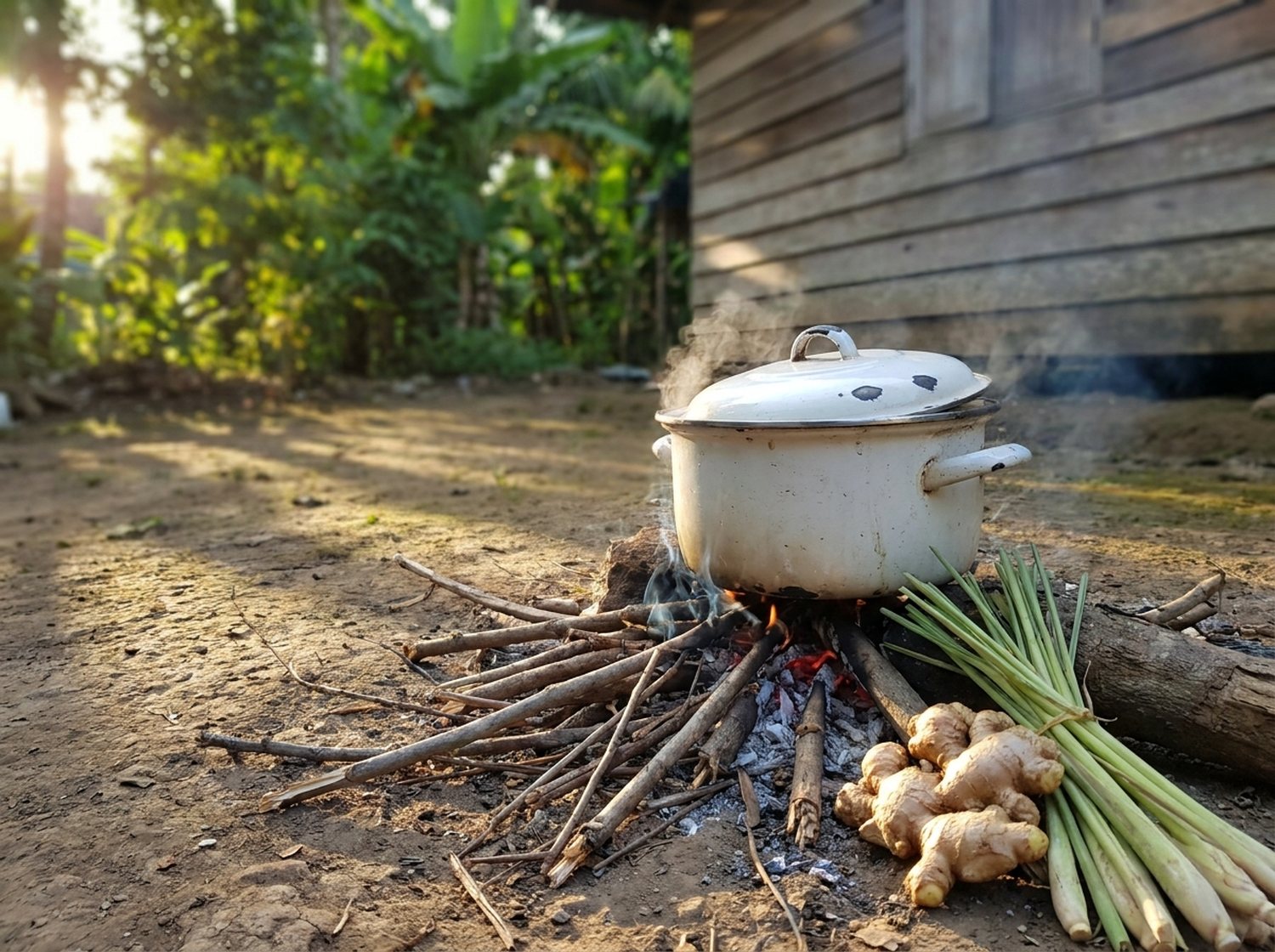
You commented ROOTS because I dunked a broccoli in salt water on the video and you watched the little dark things swim out of it. Here it is, written down properly.
The test, exactly
Cold water. A real handful of coarse salt — not a pinch, close to a quarter cup for a full bowl. Push the head down florets-first so the water gets into every pocket, and give it ten to fifteen minutes. Longer than that and you start pulling flavour out of the broccoli along with everything else.
If nothing comes loose in that time, the broccoli is good to cook. If something does, you will see it drift out on its own — do not scrub, do not shake the bowl, just let the salt do the work.
What two hundred tiny pockets means
A head of broccoli is not smooth. Under the surface it is built out of hundreds of small hollow florets, and every one of them is a hiding place an insect can lay eggs in that a rinse under the tap will never reach. Cold water alone will not pull anything out of those pockets — it takes the salt to do it. That is the whole trick, and it is the only part of the video worth remembering.
What it does not catch
I would rather tell you the limit than let you think one soak fixes everything.
What to watch for beyond the bugs
- Pesticide residue. Salt water does not touch what was sprayed on the leaf before it left the field. If that is your worry, a short soak in water with a splash of vinegar does more, and even that is not a guarantee.
- Wax coatings, on cucumber and some apples, are put there on purpose to keep the skin from drying out — salt will not lift it either. Peel if it bothers you.
- This is not a wash for bacteria. Ten minutes in salt water is not the same job as washing your hands before you cook. Rinse everything after, salt water or not.
The rest of what comes home from the market
Broccoli is not the only thing worth ten minutes in a bowl.
- Cauliflower — same test, same timing. Same hidden pockets, same reason.
- Leafy greens — collard, callaloo, cabbage — five minutes is enough. Longer and the leaves start to wilt and lose colour before you have even cooked them.
- Corn — pull the husk back before you buy it if the stall lets you. If not, check the tip of the cob for a dark hole before you shuck the rest.
- Fresh herbs — a quick dunk, no salt needed, just to knock the grit off. Salt water on a delicate herb does more harm than good.
What happens next
This is not a remedy, so it does not belong on the same shelf as the roots and the teas I write down here. It is one of the things I am collecting for What We Kept — the practices, not the cures. How the old people checked what came into the house before it went anywhere near a pot.
Give thanks.
The Three Jars
Three jars out of the cupboard, one jar to a card, big print — the morning one, the evening one, and the one that stands on the shelf all week. The morning one is the ginger, and the ginger one is not the one you think.
It is free, and it always was. I am not going to print a price on it just to cross the price out.
Send me The Three Jars · freeOne email box, nothing else. It lands in about a minute. Three big-print cards, one jar to a card — and the long telling behind them if you want it. No app, no account, and nothing takes money from you, now or later.
More from Roots Tips
Yard Roots
The morning pot I boil for my own people — ginger, fever grass, sorrel and pimento, and the root…
What the Liver Keeps
The okra paper. What I told you in the video, the part I have to take back, and the mark on the …
Two Bushes and the Dark
I named three things in that video. One of them I am taking back — cerasee, moringa, and what I …